North Carolina, Oral History, Paternal Kin, Photographs

She raised 13.

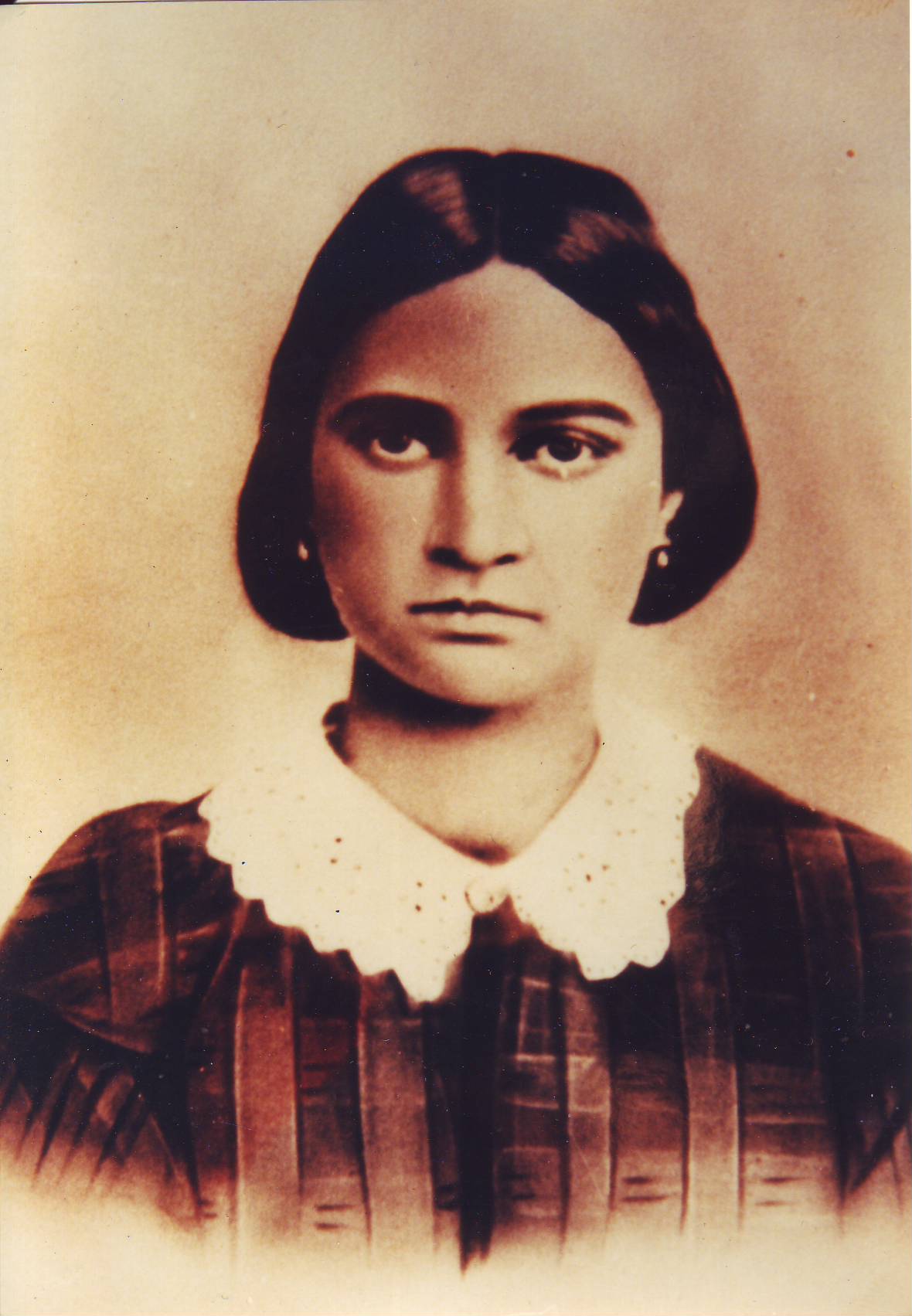
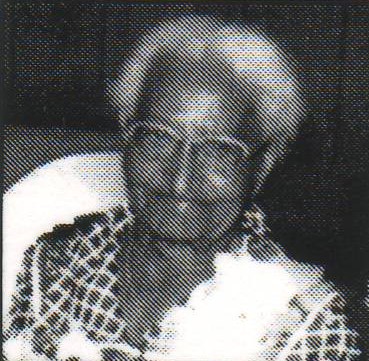
My father’s mother said:

Every day she needed, had to eat some fish.  ‘Cause she couldn’t eat pork.  Good as she loved ham and stuff, and Papa always raised a pig every year.  She had a bad heart.  And so she wasn’t supposed to eat no pork.  And so that’s what she had, fish.  Fish and beef.  Fish and beef. … Well, she raised chickens.  But she got to put the chicken in a coop.  Even if it was running ‘round out there in a bigger pen.  She put it one of them little coop places where was built up like that, and let it stay a week, cleaning it out.  That’s what she said to do.  I reckon you let ‘em run ‘round in the yard eating dirt, so she was gon clean ‘em out. She would get her about five or six biddies out the bunch, and she just put them in that coop, and by them being out there in the back yard fenced in that part, picking up all the gravel and everything else they want … Put ‘em in that coop, let ‘em stay a week, clean ‘em out.  So, I said to Mama, “Why you got to take ‘em out the yard and put ‘em in a pen?  And then feed ‘em nothing but corn in there?”  She said that cleans ‘em out.  At the time, when she was telling me, I didn’t know what cleaning ‘em out was.  Wonder, “Why she talking ‘bout cleaning ‘em out?”  I wanted to ask her again, but she would scold at you.  She done called herself telling you what to do.  But she didn’t tell you the whole thing.  So I’d just hush.  And then go and try to get it out of somebody else.

She weighed 200 pounds.  She was fat.  But she wore dresses longer than what they’re wearing now.  Just like, that one up there, that skirt she had on, she made that.  And she, it was blue silk.  And then she made a ruffle, that ruffle that was ‘round that skirt, she took and sewed all ‘round it…. Her hair was shoulder-length, but she always rolled it, always turned it up and pinned it back there and had this part that come around.  She didn’t never cut it real short.  And it didn’t, I don’t never remember seeing it when it was real long.  But she was always tucking it in and trying to make a ball back there.

Image

She didn’t have but one child.  But she raised 13.  Papa’s children, and then my mama Bessie and Jack, and me and Mamie.  Her own child was named Hattie Mae, too.

Sarah Daisy Henderson Jacobs Silver was my great-great-grandmother’s sister.

——

Photo of Sarah Henderson Jacobs Silver in the collection of Lisa Y. Henderson. Interview of Hattie Henderson Ricks by Lisa Y. Henderson; all rights reserved.

Standard
Land, Maternal Kin, North Carolina, Oral History

Land along the railroad.

Me: What did, why did Grandpa Henry come to Statesville? Was he a farmer? What did he do?

My grandmother: I don’t know. I really don’t know.

Me: He was from Rowan County.

My grandmother: He certainly didn’t have no farm in Statesville. It seems to me he had a big, big lot  of land where they had this house. Where they built this house. But it was near a railroad, and trains — cinders from the trains fell on the house and burnt it.

——

On 21 Dec 1903, G.M. Austin and wife J.A. Austin sold H.W. McNeely of Iredell County a parcel bounded as follows: “Beginning at a stake 300 feet from Bettie Van Pelts S.E. corner and 50 feet from the center of Rail Road, and running N. 10 degrees E. 200 feet to a stake then S. 11 W. 200 feet to a stake 50 feet N of the center of the Rail Road, then N 79 degrees W. 100 feet to the beginning also 1/2 acres adjoining the above lot, and known as the J.V. Houston land it being same land sold for taxes by M.A. White by deed from T.Y. Cowper.” McNeely paid $164.

Extract from interview of Margaret C. Allen by Lisa Y. Henderson; all rights reserved.

Standard
Births Deaths Marriages, Maternal Kin, Military, North Carolina, Oral History

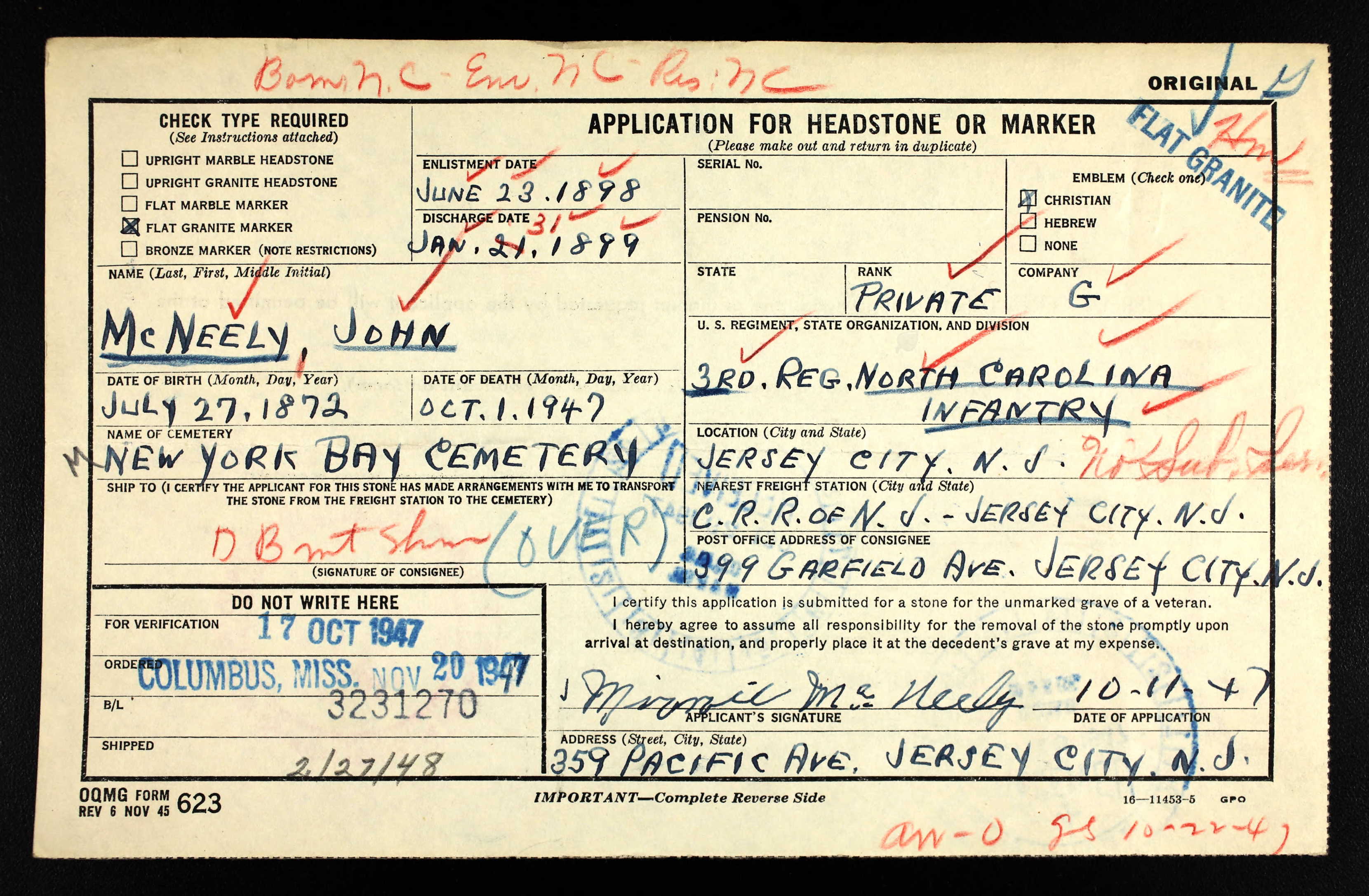
We the 3rd N.C. regiment soldiers.

And again:

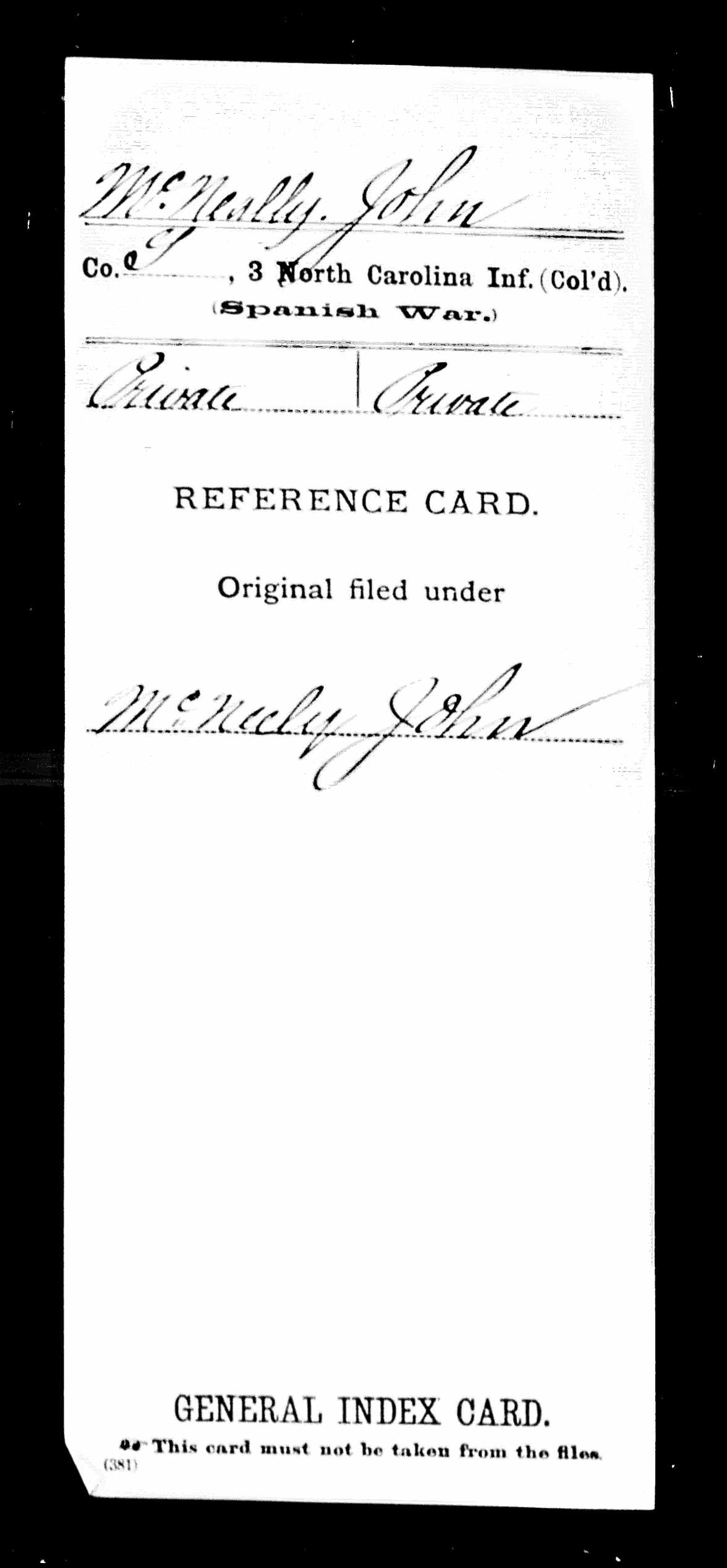
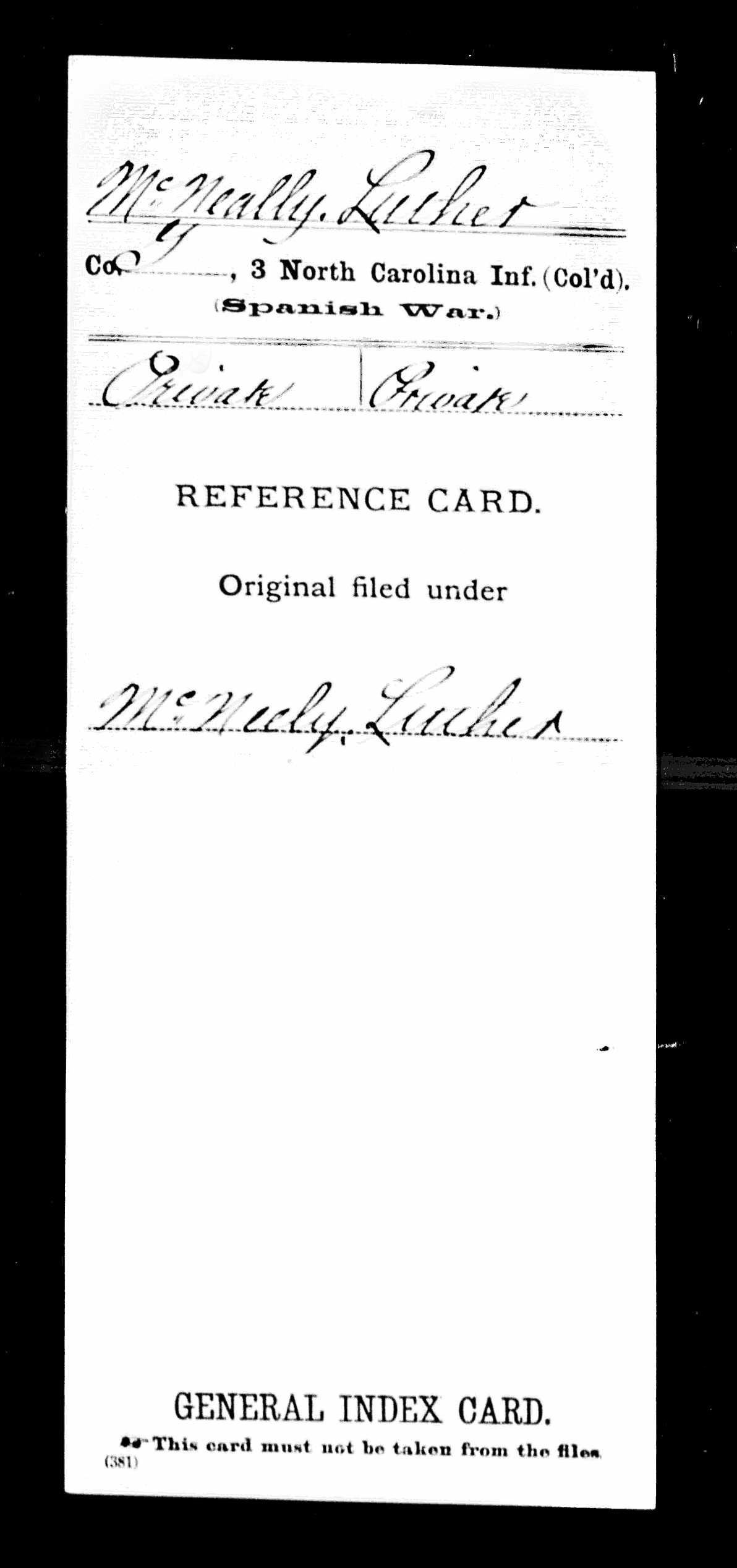
My mother’s brother went to World War I. Not Uncle John and Uncle Luther.  Oh, they were old.  Old men.  They went to the Spanish-American War.

Image

Image


In response to President William McKinley’s call for volunteers, the 3rd Battalion of North Carolina Volunteers mustered in on 12 May 1898 at Fort Macon, North Carolina. Seven companies — including Company G of Iredell County — joined them in July, forming the 3rd North Carolina Regiment.  The Regiment moved west to Knoxville in September, then to Macon, Georgia in January 1899. Though the 3rd NC was alerted to prepare to ship out to Cuba, the war ended before it saw action in battle.

The following letter is reported to have been sent to Secretary of War Alger by members of this regiment. The names of those who signed the letter were not given to The Journal and Tribune reporter with the copy of the letter.

Third North Carolina Regiment 
(All companies) Sept. 23, 1898,

To the Secretary of War:

Dear Sir:–We the undersigned many soldiers, heard that you had been instructed that we wanted to stay in service as garrison duty, but my dear sir, we are now pleading with mercy and deny any such report as there had been reported and we feel that our superior officers has treated us wrong to hold us in service without we knowing anything about it.

We the undersigned did not join the service for garrison duty. We only sacrificed our lives and left our homes simply for the honor of our flag and the destruction of our country and families as the war was going on at that time, but now the war is over and we do feel that we might be mustered out of service because we are getting letters from our families every day or two stating the suffering condition, and oh my God, the way that we are treated. We have to drill harder than any other regiment on the grounds and after drilling so hard, we have to work so hard. We have to cut ditches, sink holes and fill up gullies, put in water pipes. We, the 3rd N.C. regiment soldiers has not had but one pair of pants, one coat, two undershirts, one top shirt. We are in a box fit. Our food is not fit to eat, and oh my dear sir, we are bound up in a little place about 400 feet long 3 feet wide. Just think of the confinement we are under just because we volunteered freely to fight for our country.

We the undersigned many soldiers did not volunteer for garrison duty and we do not think that our honorable government will take the advantage of willing and faithful men who came to the rescue of the flag, stars and stripes. We have a great deal more to tell you but we can not express ourselves like it ought to be done.

Down at Fort Macon we was misled. The question was asked who wanted to stay in the service and go to the front if necessary, called upon them to raise hands, but the question never was asked if we wanted to do garrison duty. If they had of asked that question we never would have been in Knoxville today. Why don’t you know as a good thinking man that we don’t want to leave our wives and families to go on garrison duty. Why if so you would have had more applications in the white house than the mail box would have helt.

You know that these officers is getting a very good salary and they would go in three miles of hell after that dollar, but we who are brave men did not come for the sake of that $15.60, but we gloried in the flag and come to hold it up by the balls and shells. So as we did not get a chance to do so we hope that you will consider this matter. Look it over, give us the judgment of justice and if you do we will go home to our families who are in a suffering condition, so we will not write any more.

We the undersigned await your earliest reply. Many soldiers of the Third North  Carolina regiment. We want to go home. 

Journal and Tribune, Knoxville, 5 October 1898.

U.S.HeadstoneApplicationsforMilitaryVeterans1925-1963ForJohnMcNeely

U.S.HeadstoneApplicationsforMilitaryVeterans1925-1963ForLutherMcNeely

Standard
Births Deaths Marriages, Maternal Kin, Newspaper Articles, North Carolina, Oral History, Photographs

Edward Murray McNeely.

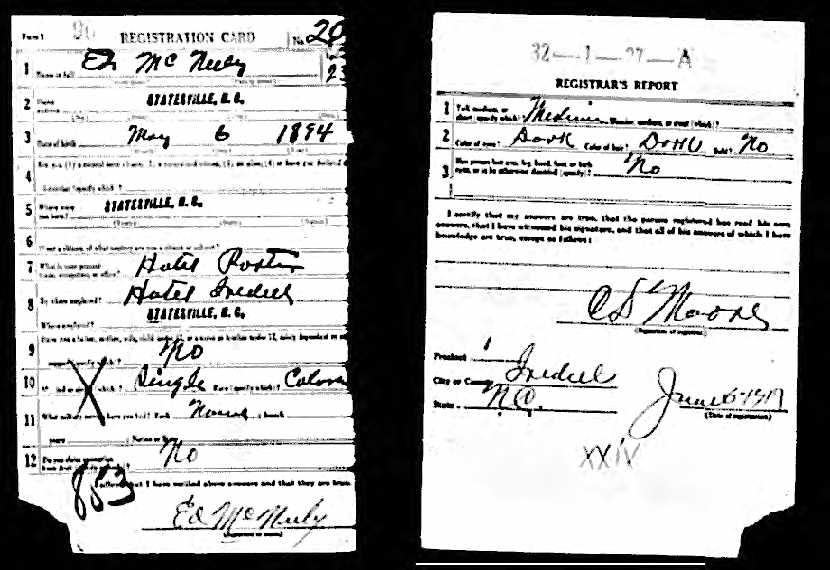
My mother’s brother went to World War I. Not Uncle John and Uncle Luther.  Oh, they were old.  Old men.  They went to the Spanish-American War.  Edward went to World War I — 

ed mcneely draft card

Yeah.  If he went.  ‘Cause he was the laziest man, dodged everything.  Running all the time.  The ladies were just crazy about him.  He had to leave Statesville.  He went to Asheville and, too ….  They were just about to lynch him because of, you know, these women running after him.  He went to New York.  I think he married two or three women up there.  [I laugh.]  Honey, he was sharp as a tack.  Lord, Lisa, that was one good-looking man.  Tall.  Like Carey.  And he was sharp.  I remember when I went to New York from Hampton to work, went to Jersey from Hampton to work.  He carried me to New York.  First time I had ever been to New York, and he carried me to New York to this Elks Club.  He was a big-time Elk, you know.  And those men swore that I was not his niece, that I was somebody else.  And they said, “Man, you know that’s….”  And I liked to dance with them, you know, and all.  And I would just go with him – I mean, I didn’t go there a lot of times, but I might have went two, three times, but he would take me to that Elks Club.  And he would never let me have anything to drink.  He would drink some wine or something like that.  But he would take me, and one time when I was in New York — Wardenur and I, he used to take us.

McNEELY -- Edward McNeely


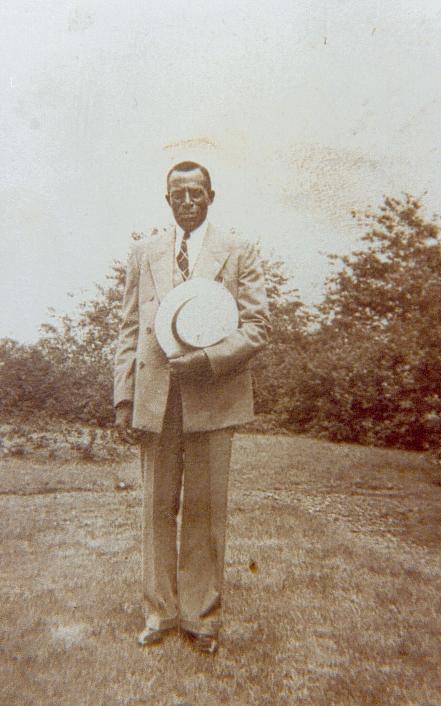
Edward Murray McNeely, born 15 June 1894, was the youngest of Henry and Martha McNeely’s sons. He married Lucille Tomlin in 1910 in Statesville and worked as a bellhop in a local hotel. He and Lucille had a son, Quincy Edward McNeely, in late 1910. When the marriage broke up, the boy and his mother moved to Asheville and were lost to the rest of the family. (Or to my grandmother, his first cousin, in any case.) Ed McNeely was in fact inducted into the Army in 1917, but I have no details of his service. By the late 1920s, he had migrated north to join his mother and several siblings in and around Bayonne, New Jersey. In 1942, he registered for the “Old Man’s Draft” and reported his address as 344 Grand Avenue, Brooklyn. (A two-story brownstone in Clinton Hill worth $1 million today. He also gave his height as  5’11, some considerable inches shorter than my cousin Carey.) When he died on 28 September 1950, Edward was living at 454 Avenue C in Bayonne and was married to Delphine Peterson McNeely. Two days later, the Statesville Daily Record published this tragic report:

“Double Funeral Service Planned”

Double funeral services will be conducted for brother and sister here Monday.

Lizzie Long, who burned to death when her home on Bingham Street was almost completely destroyed by fire Thursday morning, will be buried with her brother who died that night in New York.  The brother, Edward McNeeley, a veteran of World War I, died in Veterans hospital, Staton [sic] Island, upon hearing the news of his sister’s death.  His body will be returned here Monday morning and services will be conducted jointly for them at 2:30 p.m. Monday.  Burial will be in Belmont cemetery.  

The funeral will be conducted by Rev. Spurgeon Frost at Rankintown Congregational church.

Photo of Edward McNeely in collection of Lisa Y. Henderson. Interview of Margaret C. Allen by Lisa Y. Henderson, all rights reserved.
Standard
Births Deaths Marriages, Free People of Color, North Carolina, Oral History, Paternal Kin, Photographs

Papa Jesse.

Bessie died when I was eight months old.  And Mama Sarah took me as a baby and brought me to Wilson.  And her husband was the only papa I knew.  His daughters all disliked me being there, but I loved him and he loved me.  But they all just said he loved me better than he did them, and I wont nothing no kin to him.  But when you take a child that’s with you all the time, and every Sunday you send to the store to get you some oil to wash your feet … just nobody but me there.  Nobody but Mama, Papa, and me.  Mamie wasn’t even there then.  She was down in Dudley with Grandma Mag.  And so, I guess he just learned to love me.  And he told me, if I wanted to stay with him, I could stay, and if he didn’t have but one biscuit, he’d divide it and give me one half and he’d have the other half.  And that way I wanted to go with him ‘cause Mama’d fuss all the time.  She was always talking, got to be doing something.  And so I wanted to follow him.  And so I went with him everywhere. 

In late 1895, the freshly widowed Jesse Adams Jacobs Jr. married Sarah Daisy Henderson in Dudley, Wayne County. He brought children as young as a year old to the marriage, and she brought a daughter, a niece and a nephew. Around 1905, Jesse, Sarah, his youngest children and her nephew Jesse Henderson joined the flow of farm dwellers to Wilson, then entering into its golden era as the World’s Largest Tobacco Market. A couple of years later, when Sarah’s niece, Bessie Henderson, died, Jesse and Sarah took in her small children, the younger of which was my grandmother.

Jesse&Sarah Jacobs

Jesse was born in 1856 in Sampson County to Jesse Jacobs Sr., a prosperous free colored farmer, and his wife Abigail. Many of Jesse and Abigail’s modern descendants are members of the Coharie Native American tribe. Others, like Jesse Jr.’s descendants, identify as African-American.

Jesse A. Jacobs bought a small house at 303 Elba Street in 1908. Over the years, he worked as a hostler and a janitor and for extra cash farmed small plots of land he rented on the edge of town. My grandmother was his constant companion.

And so I wanted to follow him.  And so I went with him.  Up there to First Baptist Church, help him dust the seats, and he’d run the sweeper and all that kind of stuff.  And when he was over to another school up there, the college.  He used to be janitor to the college.  And then he had the school out there at Five Points.  Winstead School out there at Five Points.  And I would be the one at all those places.  Go cut Professor Coon’s grass, I’d be right with him. And then, out to Five Points. I went out there – I was in school ‘cause I run all the way from up the school, came by the house, get me a bite to eat and run from there to clean to Five Points School where was out there – white folks.  And sweep up that whole building by myself.  Papa’s down there in the field, up there by – uh, what is the people be putting them … they had chains on their legs and had the white stripes – convicts.  It was a place up there.  And I’d go ‘round there and sweep that whole building up by myself.  Papa was gon get me a bicycle so I could ride over there.  ‘Cause, see, he had the horse and wagon, and so he was already over there, and he had been there by where the pigpen was down by that little stream, that little ditch.  And I’d come back on the wagon at night with him.  But while he was plowing, ‘cross the street over there where he had a acre of cotton.  And while he was working, plowing that garden where was on the side, Professor Coon let him have whatever he put in it.  He would buy all the stuff to go in the ground, if Papa would just work it.  So he’d plant that, and then me and Mamie had to get up two o’clock in the morning, go down there and pick up potatoes.  Light night.  It’d be so bright you could see ‘em. He’d plow it up, turn that ground over, and all them old potatoes down there, put ’em in baskets, and what we couldn’t see ‘fore it got real daylight, we had to go out there and pick ‘em up when it got day. 

My grandmother’s young life was difficult, and she carried scars of hurt and disappointment even into the years that I knew her. But her voice always softened when she spoke of her adored Papa, the single source of unconditional love in her childhood.

I used to brush Papa’s hair.  He didn’t have much. Take one of them soft brushes, hand brushes.  Two of ‘em, he brought ‘em from New York.  He brought the brushes home, and I was always messing with his hair.  And I’d get the brush and hold it on one side and part it off and brush it down.  It was real soft.  And near ‘bout all of it come off where was on top.   And I was always asking a nickel, a penny:  “What, ain’t you got some change in your pocket?  I want to go the store.”  So I was feeling his legs, feeling for pennies or nickels up there.  So I said, want to know if he’d give me a nickel, or give me a penny, or whatever it is.  So he run his hand in his pocket, a penny or a nickel or whatever, he’d give it to me.  I’d go on to the store, and he said, “Wait.  Wait a minute.”  He had to have tobacco.  So then he’d give me a dollar.  And he told me to go down to the store down, right down there from our house.  Old Man Bell’s store, the white man that run the store.  “Get me a quarter.  Don’t spend it all.”  It’s three sections or four sections on a plug of tobacco.  And they cut into it where the cracks is, and it sells for so much.  And so I’d go down there to the store and get it and come back and give it to him. 

——

Original photo of Jesse and Sarah H. Jacobs on their wedding day in the collection of Lisa Y. Henderson. Edited excerpts from interviews of Hattie H. Ricks by Lisa Y. Henderson; all rights reserved.

Standard
Births Deaths Marriages, Education, Maternal Kin, Oral History, Photographs, Virginia

Remembering Margaret Colvert Allen on her birthday.

Oh, yeah, I always liked that picture.  That was on Hampton’s administration steps.  That was a brand-new coat, child.  And it was real soft.  It was light – I don’t know what you would call it.  Light tan or something.  Anyway.  But it had a summer fur collar on it. … Who sent it to me?  Golar or Walker or some of those people sent it to me…

ImageMy grandmother would have been 105 today. When she passed away in February 2011, she was Hampton’s oldest living graduate. Her funeral service was held on a clear, cold day in the campus chapel, fitting in its reserved beauty.

—–

Interview of Margaret C. Allen by Lisa Y. Henderson, 4 November 2004; all rights reserved.

Standard
Maternal Kin, North Carolina, Oral History

Grandma Becky.

I was stunned to learn that my grandmother had known her great-grandmother. “I didn’t know you knew her.” “Yes, indeed.”

She was a little, brown-skinned woman, had beautiful hair.  She was short.  Even shorter than I am.  Tiny.  And she used to keep us when Papa and Mama would go away, maybe for the day or overnight.  She’d always come down and keep us.  And, boy, we’d have a ball, ‘cause she’d let us do anything.  Our mother used to have a closet full of canned goods, you know.  Blackberries and dewberries and apples and all kinds of stuff.  And, honey, Grandma Becky would let us go in there and eat up a whole jar of peaches.  She just let us do anything.  We were crazy about her.

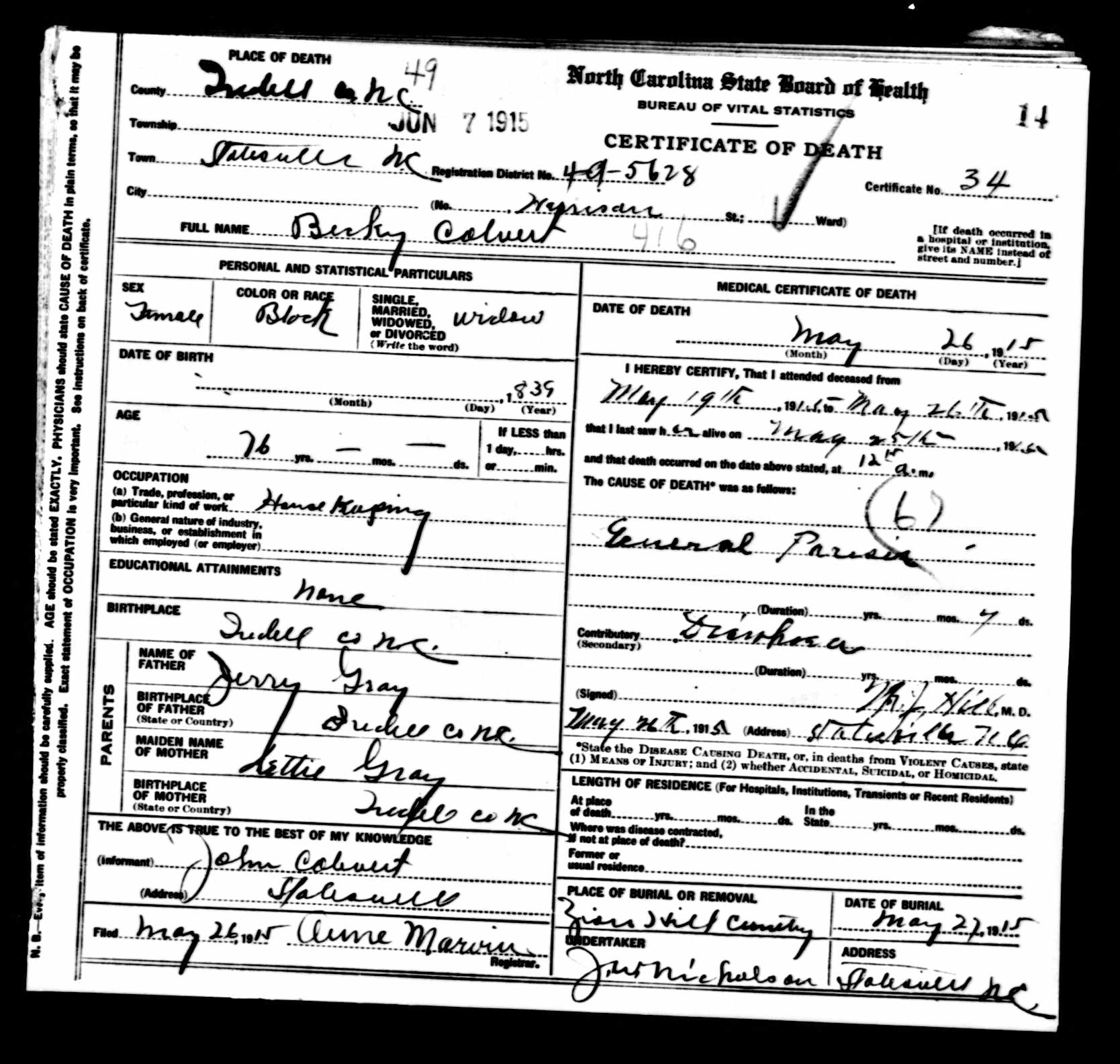
Rebecca Parks Colvert was born about 1839, probably in Iredell County NC. Her death certificate reports her parents as Jerry and Lettie Gray — probably the Jerry and Lett listed in the 1827 inventory of John A. Colvert’s estate. Becky was about 14 when she married Walker Colvert, and the couple probably lived apart until Emancipation. The 1860 slave schedule of Iredell lists ten slaves belonging to Walker’s owner W.I. Colvert, but none appear to be Becky or her children. (Was she owned by a Parks, one of John A. Colvert’s kin?) She reared Walker’s son John, and her own children Elvira and Lovina and Lewis, and then Walker’s grandson Lon. After her husband’s death in 1905, she left their farm north of town in Union Grove township and moved into Statesville.

Becky Colvert died 26 May 1915 at the Harrison Street home of her stepson John W. Colvert. She was about 76 years old.

NorthCarolinaDeathCertificates1909-1975ForBeckyColvert

Interview with Margaret C. Allen by Lisa Y. Henderson; all rights reserved.
Standard
Births Deaths Marriages, North Carolina, Oral History, Paternal Kin, Photographs

Louvicey Artis Aldridge.

Image

Vicey was little, rawboned-ed.  With a peaked nose, and she was more Indian color.  But she had that pretty hair.  I remember her when she used to come to Wilson.  She come up there visiting once in a while.  Vicey was, ahh ….  You remember Josephine Sherrod?  Well, she was lighter than her.  But she had that peaky nose and had nice hair.

Image

This is my grandmother’s description of her paternal grandmother, Louvicey Artis Aldridge. Josephine Artis Sherrod (in the second photo) was Louvicey’s half-sister — and niece. Their father was Adam T. Artis. After the death of Vicey’s mother, Adam married Amanda Aldridge, sister of Vicey’s husband John W. Aldridge.

Photographs in the collection of Lisa Y. Henderson. Interview of Hattie H. Ricks by Lisa Y. Henderson; all rights reserved.
Standard
Maternal Kin, North Carolina, Oral History, Religion

Church home, no. 2: Holy Cross Mission, Statesville NC.

Me: Where did y’all go to church?

Margaret Colvert Allen: We were Episcopalians.

Me: What was — was the church in Statesville? What was it called?

MCA: Holy Cross Mission.

Me: It was a black church?

MCA: Mm-hmm.

Me: Oh, okay. And y’all participated —

MCA: Everybody but Papa.

My mother: What was Papa?

MCA: He was a late bloomer. [Laughs.] He didn’t join the church ’til he was about … oh, near 50, something like that. No, it wasn’t that late. About 40, I guess. Like all people who join church late like that, they are fanatics when they finally do, and that’s the way he was. But in the meantime, you see, we had been going with Mama to church. Went to Sunday school, we went to eleven o’clock service, then we went back again at four. And, when he joined church, he joined another church his mother belonged to. Which was an AME Zion church. And we had to go to that church, too.

Me: Plus the Episcopal church???

MCA: We had to go to his church at night. It was all right, ’cause we didn’t mind. That was an outlet.

Image

“Trinity Episcopal Church was organized as The Chapel of the Cross in 1858. The congregation built a church on Walnut Street in 1875 to serve its 25 members and took the name Trinity Church. The Walnut Street church stands today and is the Quaker Meeting House. Holy Cross Church, Statesville’s African-American Episcopal congregation, was formed in 1887. The Holy Cross congregation held services on Washington Avenue in a building which is no longer standing. After nearly 100 years the congregations of these churches merged. Ground was broken on the plot of land on North Center Street at Henkel Road on June 18, 1967, beginning construction of the church building that is home to our parish today. The Blessing of Trinity Episcopal Church was held September 28, 1968.” — From “Parish History,” http://www.trinityepiscopalstatesville.org/church.html#history

Interview of Margaret C. Allen, 8 August 1999, Newport News VA; all rights reserved.

Standard
Births Deaths Marriages, Oral History, Paternal Kin

When Grandma Mag died.

My grandmother was 5 years old when her great-grandmother Margaret B. Henderson died in 1915. This is what she recalled:

I remember when Grandma Mag died.  I don’t remember ‘em burying her.  But I was up to Nora’s house.  That’s how come I remember it.  Grandma Mag was living, well, she was in bed, she was sick.  I don’t remember her being up. Grandma Mag stayed down in Dudley. When she died, I was down there, and we went to Nora’s house.  And I used to ask myself, ‘Why is she in the bed all the time?’  

During Grandma Mag’s funeral, I stayed with Aunt Vicey and Nora and Beulah, the one that had the wen under her neck.  We called her A’nt Vicey, but she was my grandmama. I stayed up there with them, and I was scared to sleep in the bed by myself. So Nora told me, “Well, if you get in the back and I’ll get in the front.”  So she said, “Well, I’ll be in here right with you,” so I went on to sleep.  That’s who I slept with. 

So, I stayed up there in that house when Grandma Mag died.  I stayed up there.  And I slept in her room.  I remember that.  But I don’t remember … they didn’t let me go to the funeral, I don’t think. 

“Aunt Vicey” was Louvicey Artis Aldridge (1865-1927), her father’s mother. “Nora” and “Beulah” were Vicey’s daughters Lenora Aldridge Henderson (1902-1961) and Beulah Aldridge Carter (1893-1986).

Standard